

Technical application guides
Optimize your experiments with our technical guides, protocols, and troubleshooting tips for Western Blot, ICC/IF, IHC, IP, Co-IP, Flow Cytometry, ChIP, and ELISA.
Well-optimized experimental procedures are key to obtaining clear, reliable, and reproducible results. Our guides provide concise overviews of each technique, step-by-step protocols, and practical troubleshooting advice — helping you navigate complex workflows with confidence.
32 guides
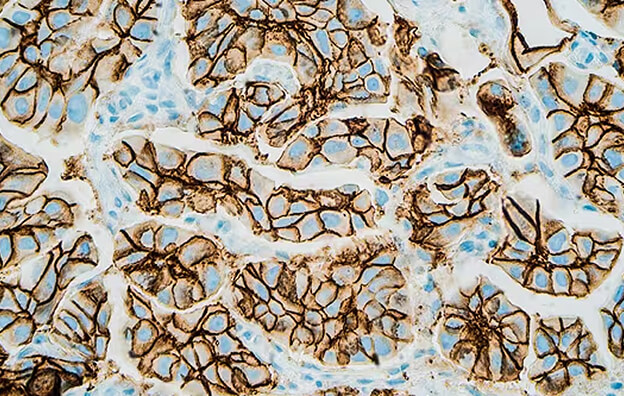
IHC: The Complete Guide
Learn about antibody production by plasma B cells of the immune system, and how antibodies recognize and bind to unique antigens.


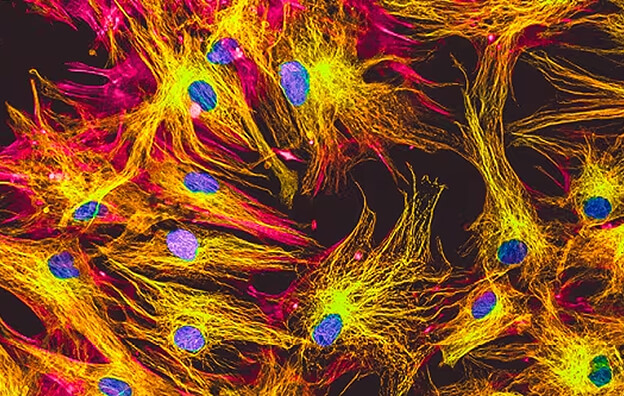
ICC/IF: The Complete Guide
Learn about antibody production by plasma B cells of the immune system, and how antibodies recognize and bind to unique antigens.

ELISA: The Complete Guide
An overview of antibody applications, such as ELISA and western blot, and how to validate antibody specificity by knockout, protein array.
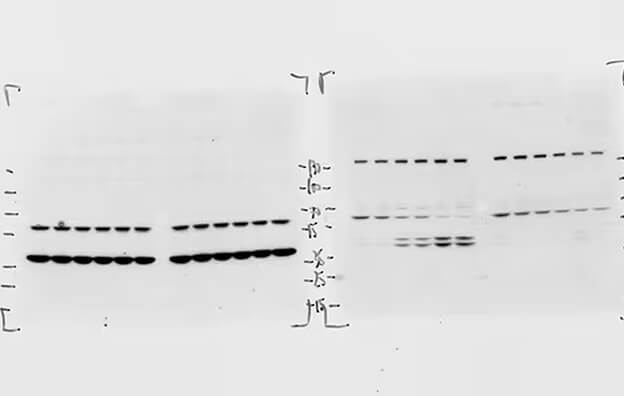
Western blot guide
Learn about polyclonal, monoclonal and recombinant antibodies, the advantages and disadvantages of each, and which is best suited to your application.
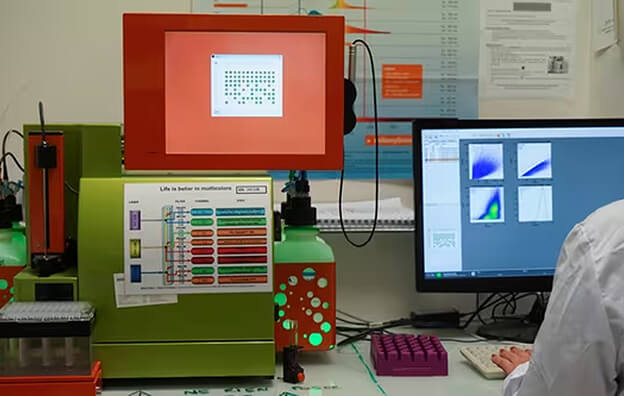
Flow cytometry guide
Flow cytometry is a versatile technique that uses light to characterize and measure heterogenous suspensions of particles.
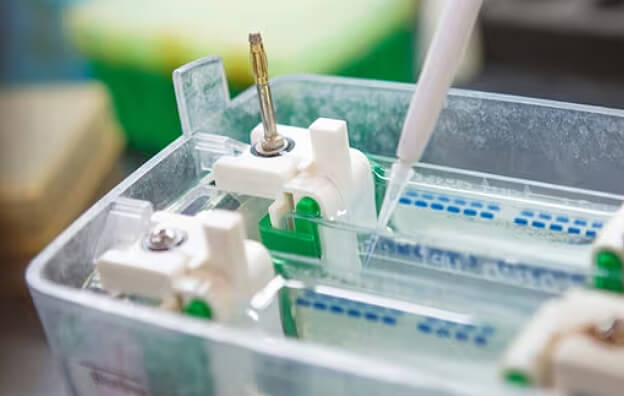
Immunoprecipitation guide
Immunoprecipitation (IP) is a technique for enriching or purifying a target protein from a complex mixture using specific antibodies.
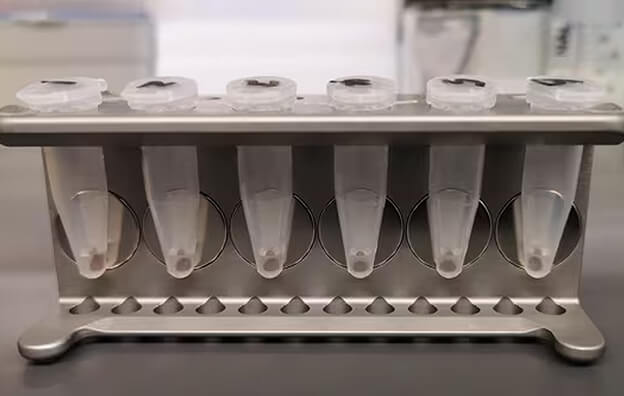
Co-immunoprecipitation guide
Co-immunoprecipitation (co-IP) is a powerful technique for the study of protein-protein interactions, based on the principle of immunoprecipitation (IP).
Chromatin immunoprecipitation guide
Chromatin immunoprecipitation (ChIP) is a technique for isolating chromatin that is bound to a protein of interest for subsequent identification.

Immunohistochemistry troubleshooting
Immunohistochemistry (IHC) involves using antibodies to selectively label proteins of interest in tissue samples.