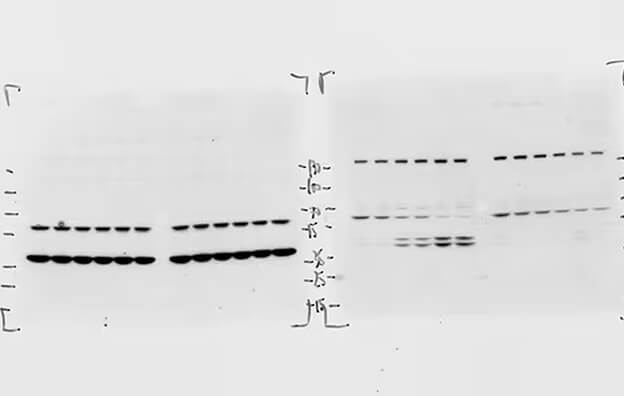

Antibody basics guides
Learn the essentials of antibody structure, production, and research applications.
Antibodies (immunoglobulins, Ig) are Y-shaped proteins that recognize and neutralize foreign substances like bacteria. Their unique binding ability makes them vital tools in research techniques such as western blotting, ELISA, flow cytometry, and immunohistochemistry. The guides below offer a clear overview to help researchers choose and use antibodies with confidence.
7 guides
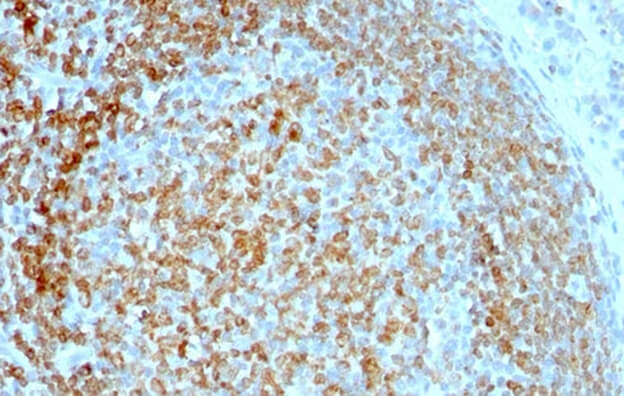
Antibodies in the immune system
Learn about antibody production by plasma B cells of the immune system, and how antibodies recognize and bind to unique antigens on pathogens.


Antibody Structure, Isotypes and Formats
Explore how antibody structure and isotype contribute to their function and use in research, and the application of antibody formats such as fab fragments and nanobodies.

Antibody Applications and Validation
An overview of antibody applications, such as ELISA and western blot, and how to validate antibody specificity by knockout, protein array and biophysical techniques.
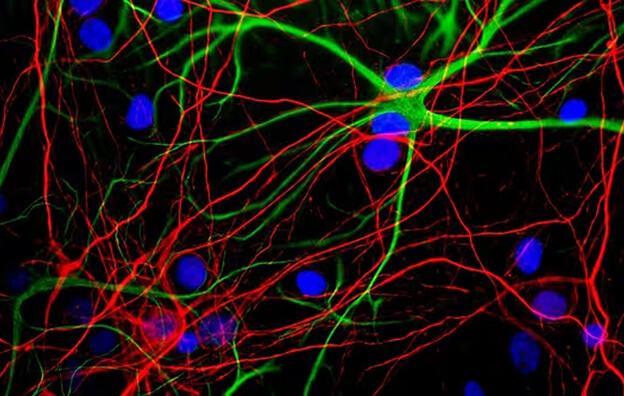
Polyclonal and Monoclonal Antibodies: Production and Purification
Learn about polyclonal, monoclonal and recombinant antibodies, the advantages and disadvantages of each, and which is best suited to your application.
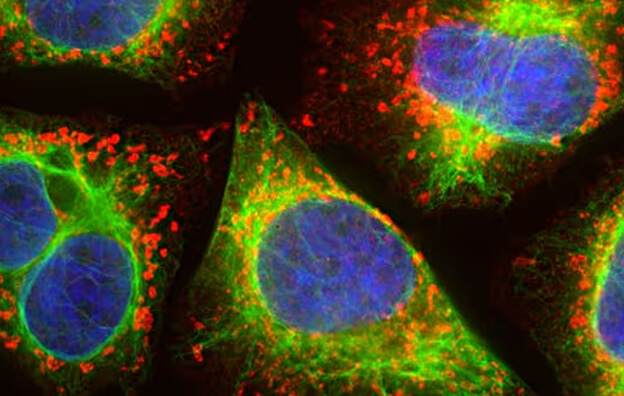
How to Choose and Use an Antibody
Choose the ideal antibody for your research needs with confidence. A comprehensive guide to the factors that influence antibody choice, use and storage.
How to Choose a Secondary Antibody
Selection guide for how to choose the ideal secondary antibody for your research. Understand important considerations such as conjugates and cross-adsorption.