

Travel grant program
Antibodies.com is proud to support researchers with travel grants up to £500.
Submit application
About program
Each quarter, Antibodies.com offers a travel grant up to £500 to help cover the cost of attending a conference. These travel grants are open to PhD candidates, post-docs and other research staff from academic research institutions in the US or Europe.
The grant is intended to help cover the costs of registration, accommodation, and travel to a conference of choice.
How to participate
A team of our scientists will read all research summaries/abstracts that are submitted and select the winner based on which research they find most interesting. The winner of each quarter will be notified by email within the first two weeks of the subsequent quarter.
For a chance to win, simply complete the application form below, including a summary of your research or abstract for the conference.
Eligibility requirements
- Travel grants are only available for individuals from academic research institutions in Europe or the US.
- Travel grants will only be awarded to applicants who are presenting original findings at the conference, such as presenting a poster or talk.
- Applications will be grouped by date of submission and reviewed at the end of each quarter, so applicants should apply at least 3-4 months before they need the grant.
- No application will be considered for a refund on money already spent.
Application form
A team of our scientists will read all research summaries/abstracts that are submitted and select the winner based on which research they find most interesting. The winner of each quarter will be notified by email within the first two weeks of the subsequent quarter.
Terms & Conditions
- Travel grants can only be used to cover registration, travel, and accommodation.
- Antibodies.com will process your personal data in strict accordance with its privacy policy which can be found here.
- The winners will be reimbursed by Antibodies.com after receiving proof of payment.
- Please note that unsuccessful applicants will not be notified.
- Travel grants are awarded quarterly. Q1: January-March, Q2: April-June, Q3: July-September, Q4: October-December. Winners are notified in the first two weeks of the following quarter, e.g. the Q1 winner will be notified at the beginning of April.
- Antibodies.com reserves the right to withdraw or modify this offer at any time.
- Winners will be asked to write a short (~250 words) report on their work and their experience at the conference to be included on the Antibodies.com website and in newsletters.
Table of contents
Past awardees
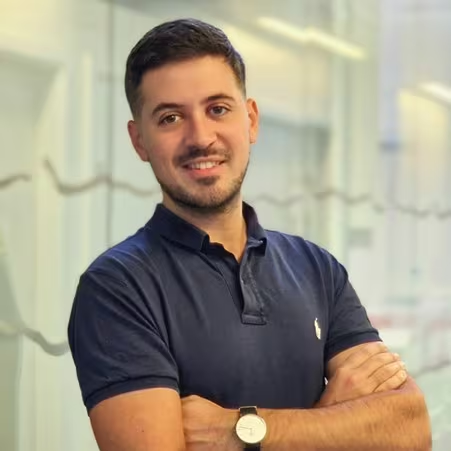
Dr Raffaele Sarnataro
University of Oxford
Thanks to the Travel Grant provided by Antibodies.com for covering a part of the costs of my participation in the annual Society for Neuroscience (SfN) meeting 2025, held in San Diego, California, from the 15 th to the 19 th of November 2025. I presented our work, “Mitochondrial origins of the pressure to sleep,” published earlier this year in Nature.
Together with my colleagues in the Miesenböck research group, I studied a small group of sleep-regulating neurons in Drosophila and discovered that mitochondria play a central role in generating sleep pressure.
My abstract was selected for an oral presentation in the SfN Nanosymposium “Sleep Regulation: From Molecular to External Factors,” which covered an impressively broad range of mechanisms influencing sleep.
Other topics included the contribution of potassium and calcium channels, metabolites produced by monoaminergic neurons, neural circuits underlying resistance to anaesthesia, and sleep-regulating (hypo) thalamic networks. Research on the circadian clock was also highlighted, spanning structural biology of core molecular machinery to calcium dynamics in regulatory brain centres. The questions and conversations following my talk were constructive and insightful, helping to clarify which aspects of this work are most intriguing for the broader neuroscience community.
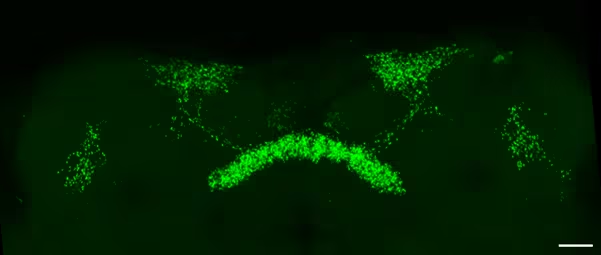
I was particularly pleased to see that several talks in my session featured Drosophila melanogaster research, which underscores the continued value of invertebrate models for uncovering fundamental principles of sleep biology. I found that the two other symposia in the SfN, on “Mitochondrial Dynamics and Energy Metabolism in Neurodevelopmental and Neuropsychiatric Disorders” and “Adenosine in the Brain”, further highlighted the growing interest in metabolism within neuroscience.
Elizabeth A. Cooper
CRUK Cambridge Institute, University of Cambridge
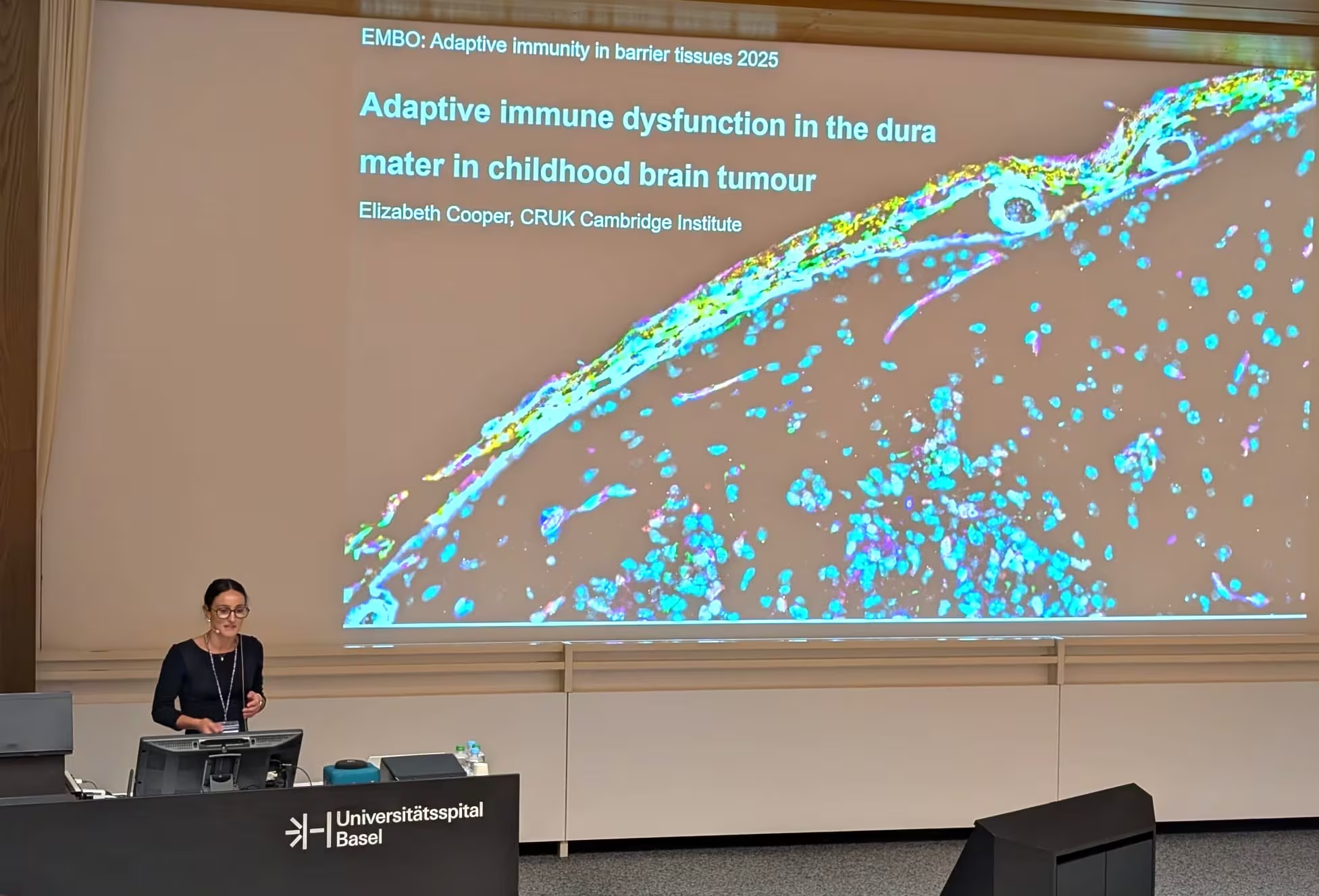
With the generous support of the Antibodies.com Travel Award, I attended the EMBO Workshop Adaptive Immunity in Barrier Tissue held in Basel, Switzerland, from 26th-29th August 2025. This meeting brought together leading researchers investigating immune regulation at barrier sites, providing an exceptional platform for scientific exchange and collaboration.
At the workshop, I presented my work as a talk entitled: “Adaptive immune dysfunction in the dura mater in childhood brain tumours.”
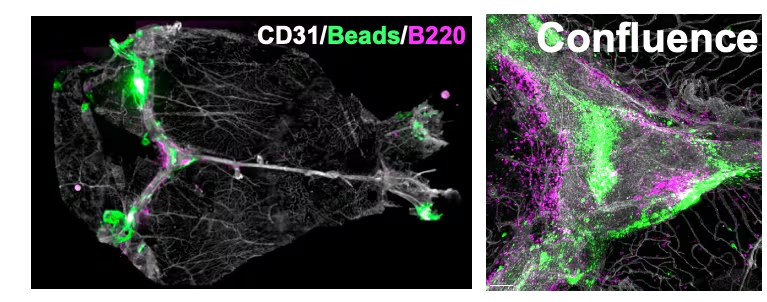
Presenting at the EMBO workshop allowed me to share these ideas with experts in adaptive immunity and tissue-specific immunology. I received valuable feedback and identified potential collaborators, particularly in applying single-cell and spatial approaches to study brain-barrier immune interactions. I am deeply grateful to Antibodies.com for supporting my attendance at this outstanding meeting. The award was essential, and the experience will significantly shape the next steps of my research.
Ana Baião
I3S, University of Porto
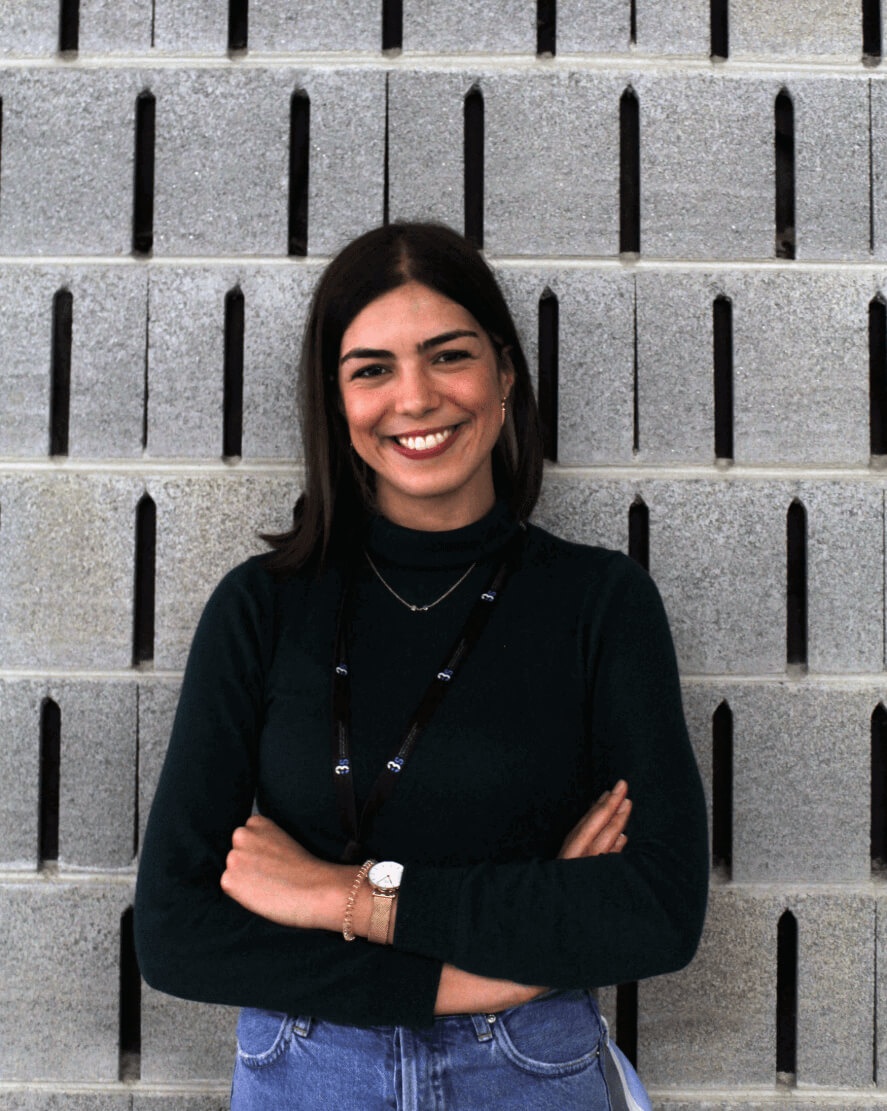
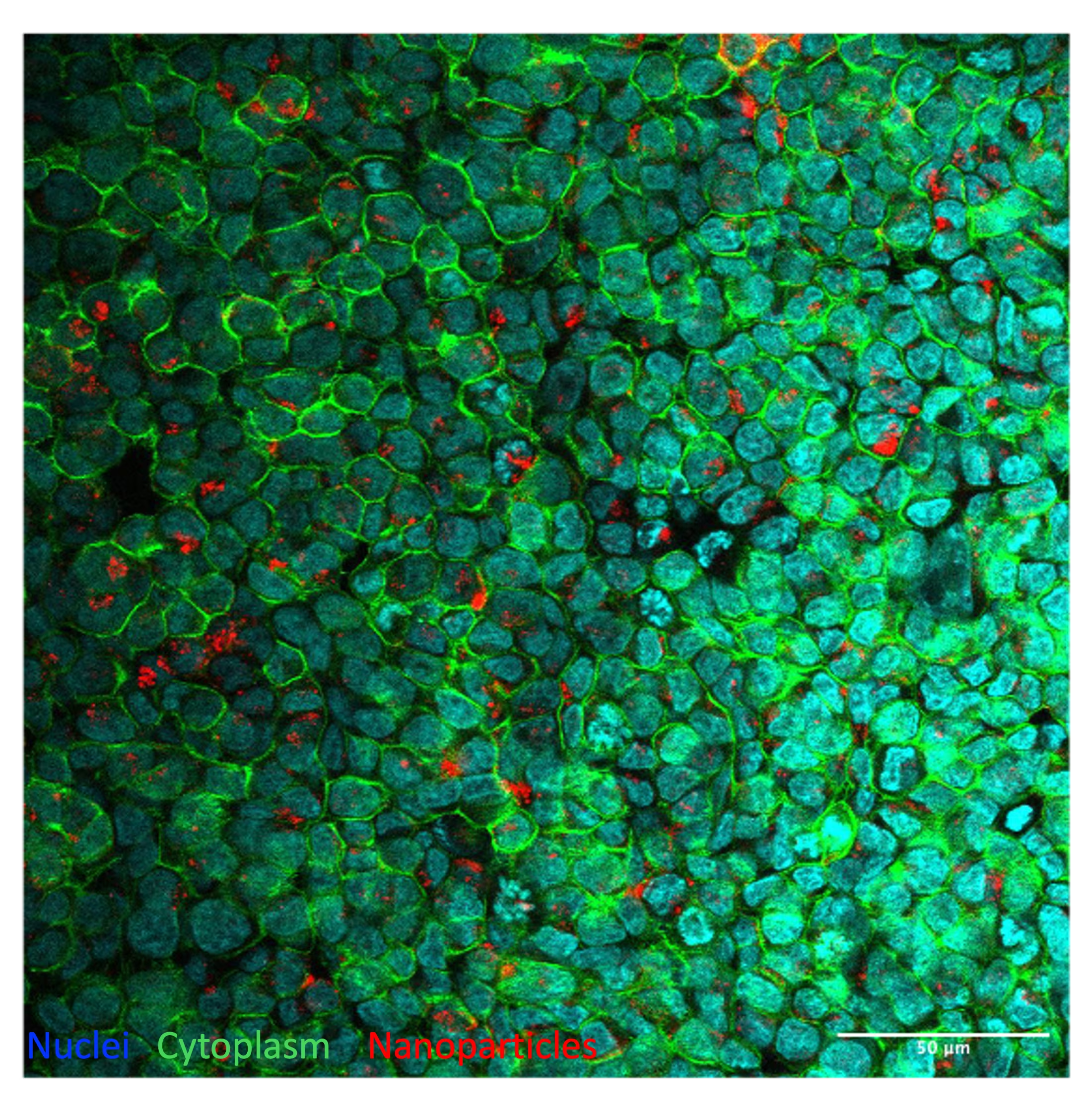
With the support of the antibodies.com travel grant, I attended the NanoTME 2025 Conference in Enschede, Netherlands. This international meeting brought together researchers focused on nanomedicine and the tumor microenvironment (TME). I gave an oral presentation on my PhD project, which explores combining targeted nanoparticles with immune checkpoint blockade for colorectal cancer.
My work centers on engineering polymeric nanoparticles to selectively deliver chemotherapeutics to tumor cells expressing specific surface markers, while modulating the immune microenvironment using checkpoint inhibitors.
This dual strategy aims to enhance tumor drug accumulation and boost anti-tumor immune responses. Our results demonstrate improved drug delivery, immune activation, and therapeutic efficacy in preclinical models. My research lies at the intersection of targeted nanomedicine and immuno-oncology, with emphasis on overcoming therapeutic resistance in solid tumors.
Presenting my work enabled me to share findings, receive feedback, and exchange ideas with researchers addressing similar challenges. The scientific programme covered drug delivery, immunomodulation, and TME modeling. Sessions highlighted emerging strategies to overcome resistance and improve targeting and efficacy of nanoscale therapies. These talks offered insights directly relevant to the next steps of my research.
Beyond the scientific content, the conference was highly interactive. Since all sessions, meals, and social events were held at the same venue, it was easy to meet and speak with participants throughout the day. I connected with both early-career and senior researchers, broadening my perspective and expanding my professional network. Overall, attending NanoTME 2025 was a valuable experience that advanced my development as a researcher and strengthened the direction of my PhD work.
Isabel Elliott
University of Southampton
I was very grateful to receive a Travel Grant Award from Antibodies.com to attend the Keystone Symposia on Antibodies as Drugs: Innovative Formats, Design and Engineering in the beautiful snowy Keystone, Colorado from 17-21st February 2025.
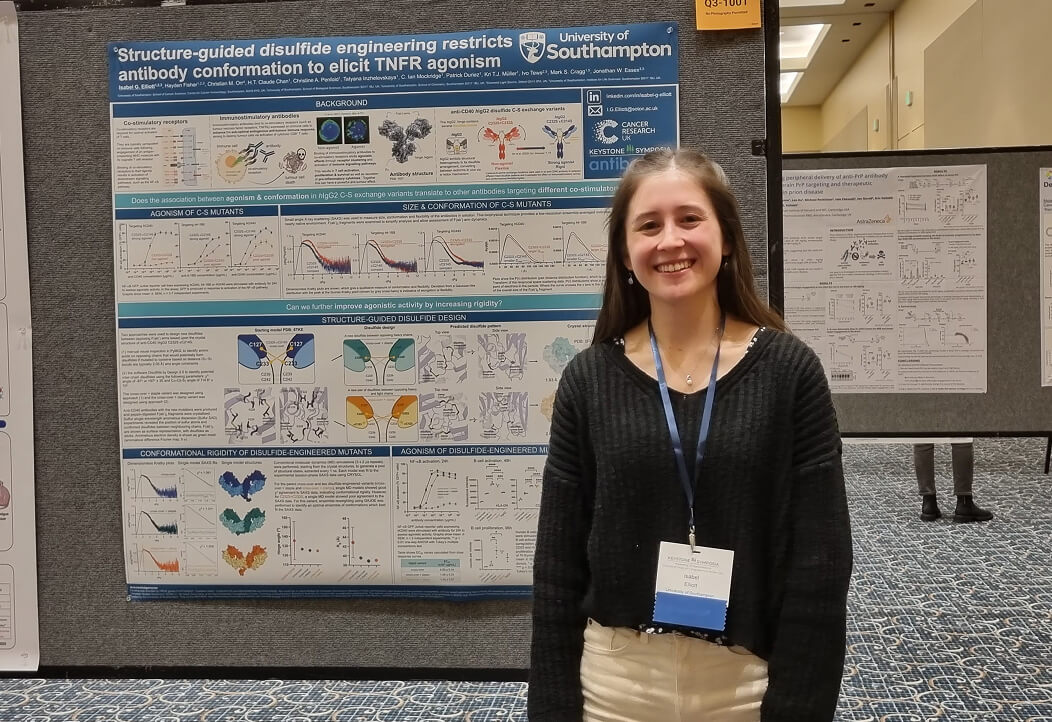
During the conference, I presented a short talk entitled "Structure-guided Disulfide Engineering Restricts Antibody Conformation to Elicit TNFR Agonism in Anti-cancer Therapeutics" in a Symposia Spotlight session focussed on "Preclinical Development of Antibody Therapeutics: From Discovery to IND". I also had the opportunity to present a poster during an evening poster session, where I was able to continue the conversations and discussions about my work.
My talk and poster highlighted some of the research I have performed as part of my PhD, which is soon to be published in Nature Communications.
I work on immunostimulatory antibodies, which bind to co-stimulatory receptors, such as tumour necrosis factor receptors (TNFRs), expressed on immune cells. These antibodies aim to enhance the weak endogenous immune response towards tumours, for use as potential anti-cancer therapeutics. My project uses integrative structure-guided approaches, combining cancer immunology, X-ray crystallography, small angle X-ray scattering and molecular dynamics simulations, to engineer antibodies with enhanced agonistic activity.
Attending this meeting was a fantastic experience, allowing me to hear about the latest research in the design and engineering of novel antibody therapeutics across a range of different disease indications. I expanded my knowledge in a diverse collection of topics and had the chance to engage in interesting discussions with antibody engineering experts across both industry and academia. I was also able to meet some scientific collaborators of my research group, who are based outside of the UK, for the first time in person. The many opportunities throughout the conference to network and connect with fellow antibody scientists from across the globe will be hugely beneficial for my future scientific career. The conference has provided me with new perspectives for the last few months of my PhD and I am hugely thankful to Antibodies.com for helping to support my attendance.
Xiaoxue Han
University of Illinois at Urbana-Champaign
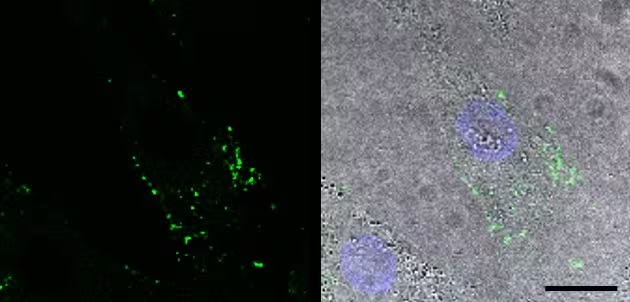
I was honored to receive the Antibodies.com travel grant, which allowed me to attend the Chicago Bioengineering Conference (CBEC) 2024, where I presented my poster titled Hydrogel-based Exosome-Coated Oxygen Nanobubbles Enhances Wound Healing by Alleviating Hypoxia, Improving Angiogenesis, Suppressing Inflammation, and Reducing Scarring.
My research aims to address critical challenges in non-healed wounds, including hypoxia, inflammation, and insufficient angiogenesis, which can severely delay recovery and impair patients' life quality.
To overcome these issues, I developed a bio-adhesive polyvinyl alcohol/gelatin hybrid hydrogel dressing incorporating exosome-coated oxygen nanobubbles. Exosomes isolated from adipose-derived stem cell (ADSC)-derived mesenchymal stem cells can promote cell migration and angiogenesis, while reducing inflammation, due to the active therapeutic proteins and mRNA they carry. This approach not only alleviates tissue hypoxia but also enhances the targeted delivery of exosomes, promoting angiogenesis and reducing inflammation, ultimately leading to improved scarless wound healing outcomes in a full-thickness wound rat model. Further work will focus on different animal models, including the surgical incision wounds.
Attending CBEC 2024 gave me a valuable opportunity to showcase this work and engage in insightful discussions with experts in bioengineering and regenerative medicine. The experience has expanded my perspective on the potential applications of my research and provided important feedback that will help drive my future research studies. I am deeply grateful to Antibodies.com for their support, which made this rewarding experience possible and contributed to the advancement of innovative solutions in tissue engineering research.
Lara Hundsdorfer
University of Tübingen
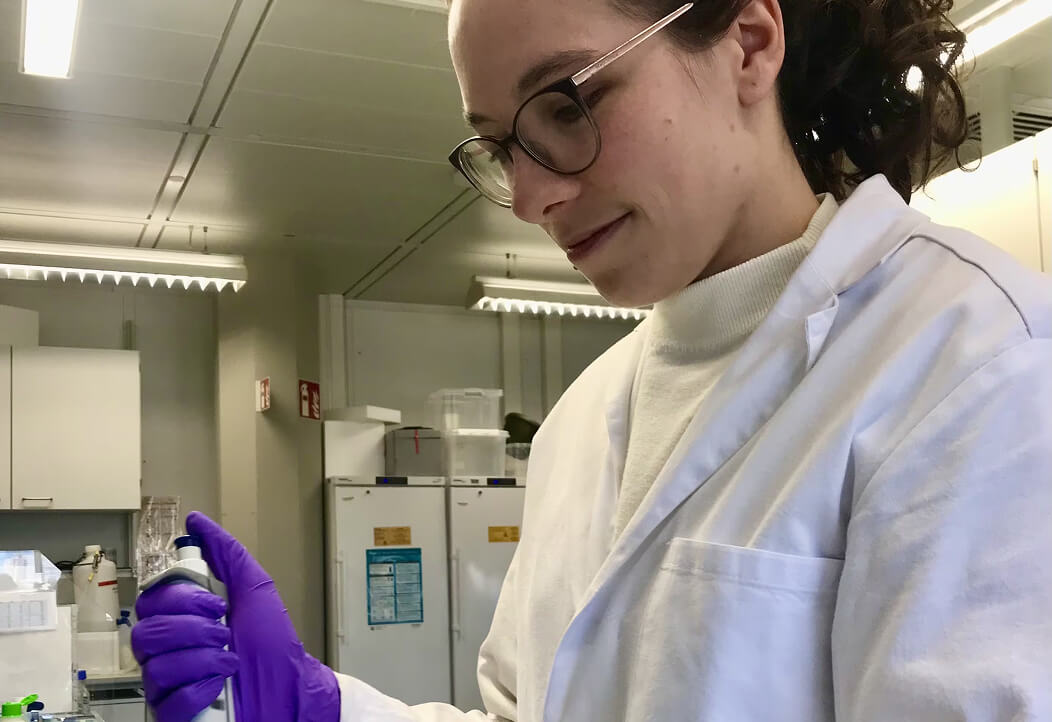
Attending the ASCB/EMBO Cellbio2024 Conference in San Diego was an amazing experience, and I am incredibly grateful to Antibodies.com for supporting this journey with their travel grant. I had the exciting opportunity to present my work on our live-cell imaging-compatible cell stretching device in the session “Building Tissues Across Scales: From Micro to Macro”.
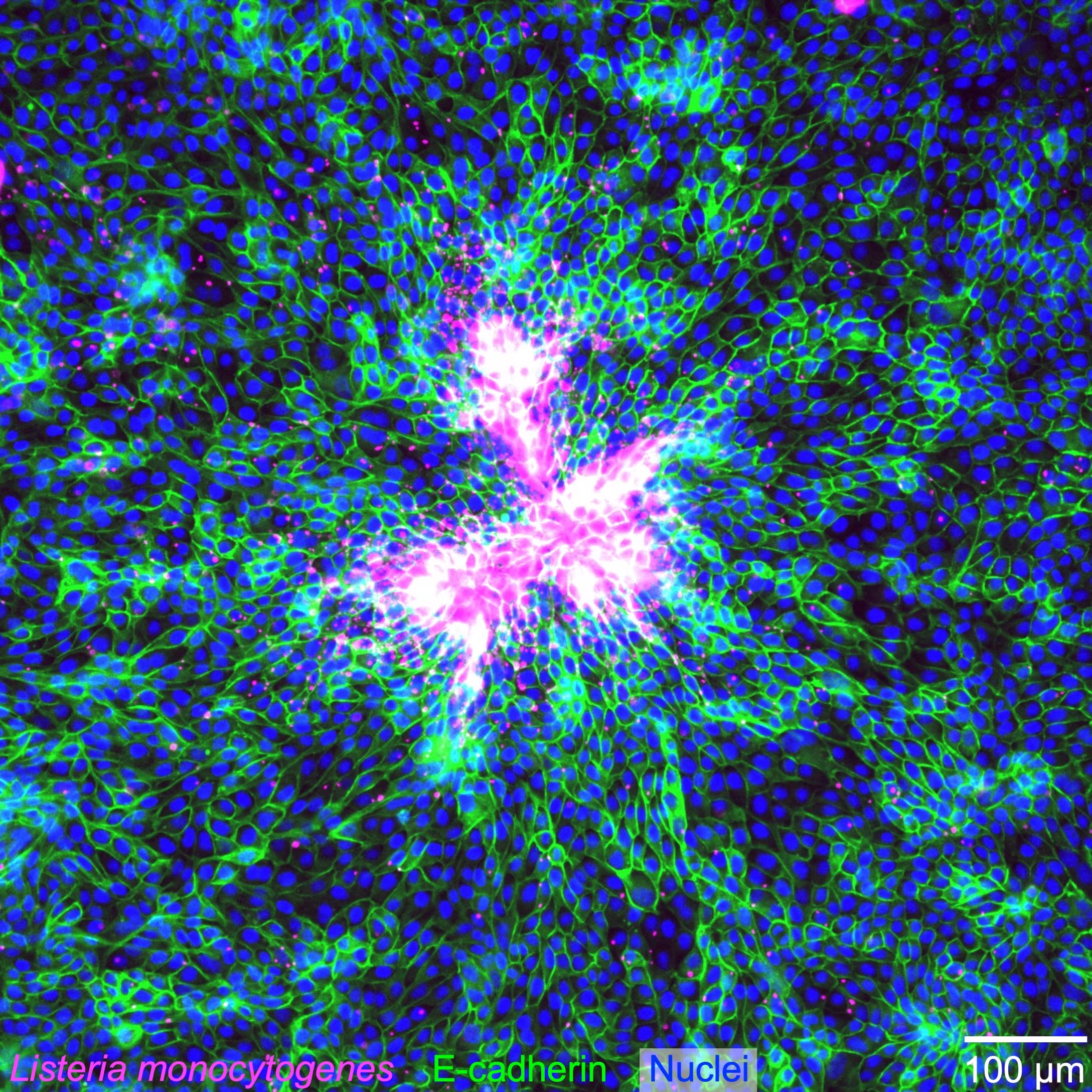
Furthermore, it was great to exchange ideas with peers at the poster session about the second part of my project: The collective infected cell extrusion of bacterially infected epithelial cell monolayers via ERK activation waves. My research aims to uncover how mechanical stretch impacts the behavior and bacterial infection dynamics of epithelial cell monolayers.
The conversations and discussions with fellow researchers were not only insightful and inspiring but also provided valuable feedback and started potential collaborations for advancing these projects. The Cellbio2024 conference offered an incredible diversity of topics, which was ideal given the interdisciplinary nature of my work. Visiting numerous posters and attending many outstanding presentations provided fresh input and new information.
Participating in career development sessions, made this experience valuable for me on both a professional and personal level. Beyond the science, the conference was a great opportunity to network and connect with fellow researchers from around the globe. A special thanks to Antibodies.com for making this possible - allowing me to escape the grey German winter and enjoy the perfect combination of sunshine, science, and inspiration.
Other promotions
New lab discount
New labs can receive 20% off for three months and free shipping.
Explore moreIf you are a new lab, have recently moved, or just received your first grant - this program is for you! All program participants will recieve 20% off for three months. There is no limit on the number of times you can order. Free shipping to every corner of Europe and North America.
Trial size antibodies
Find the best antibodies for your research with our 10µl trial size antibodies.
Explore moreThese antibodies cover every discipline, including: cancer, cardiovascular, cell biology, developmental biology, stem cells, epigenetics, immunology, metabolism, microbiology, neuroscience, and signal transduction research.
Submit product citations
Have you published using an Antibodies.com product?
Explore moreIf you have published, or if you are publishing, with our product, please let us know and earn yourself rewards! All product citations are published online, enabling other scientists to learn about the performance of our products, optimal dilutions for each application, & to see peer-submitted images of products at work.
Submit product reviews
Submit reviews for our products to help other scientists and earn rewards!
Explore moreReview our products to help other scientists by sharing what works/doesn't work and get rewarded. All reviews are published online, allowing scientists to learn about product performance, applications, optimal dilutions, to see images of products at work.