


Ryan Hamnett
PhD
Ryan Hamnett joined Antibodies.com in 2024 as Scientific Content Writer, crafting useful guides and easy-to-follow protocols for scientists working with antibodies in their research. During his 10+ years as an experimental neuroscientist, Ryan studied how different types of neuron communicate with each other to control fundamental aspects of physiology. In addition to his time at Antibodies.com, Ryan has written a wide variety of content, including scientific publications, grants, and articles for university magazines, and he is a strong proponent of scientific outreach. Outside of science, Ryan enjoys creative writing, playing guitar and traveling.
Ryan experience:
- Ryan worked as a postdoctoral scholar at Stanford University to investigate how different types of neuron in the enteric nervous system regulate digestion.
- As a PhD student at the University of Cambridge and MRC Laboratory of Molecular Biology, he researched the neurobiological control of circadian rhythms and how these daily body rhythms align with the 24 hour day-night cycle.
- Most recently Ryan worked as a postdoctoral scholar at Stanford University to investigate how different types of neuron in the enteric nervous system regulate digestion.
- These followed on from completing an MSc in Molecular Neuroscience at the University of Bristol and a BSc in Biological Sciences at the University of Birmingham.
Scientific articles
60 articles
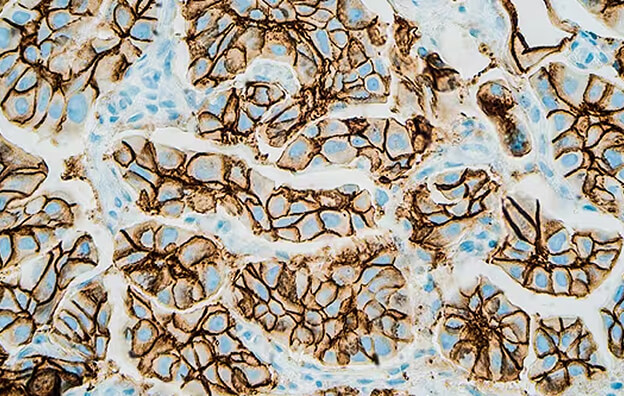
IHC: The Complete Guide
Learn about antibody production by plasma B cells of the immune system, and how antibodies recognize and bind to unique antigens.
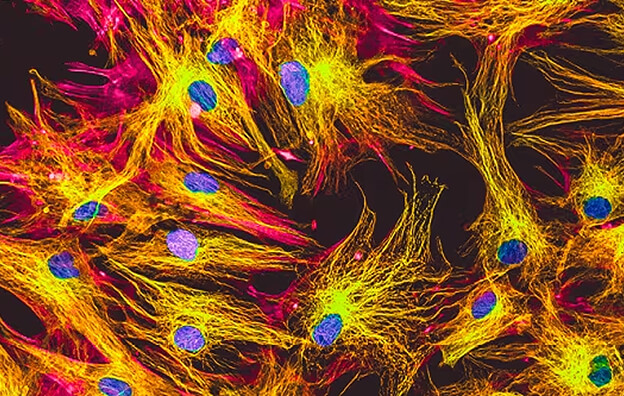
ICC/IF: The Complete Guide
Learn about antibody production by plasma B cells of the immune system, and how antibodies recognize and bind to unique antigens.

ELISA: The Complete Guide
An overview of antibody applications, such as ELISA and western blot, and how to validate antibody specificity by knockout, protein array.
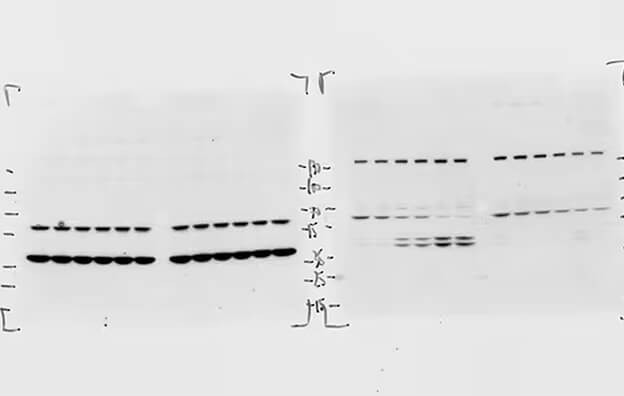
Western blot guide
Learn about polyclonal, monoclonal and recombinant antibodies, the advantages and disadvantages of each, and which is best suited to your application.
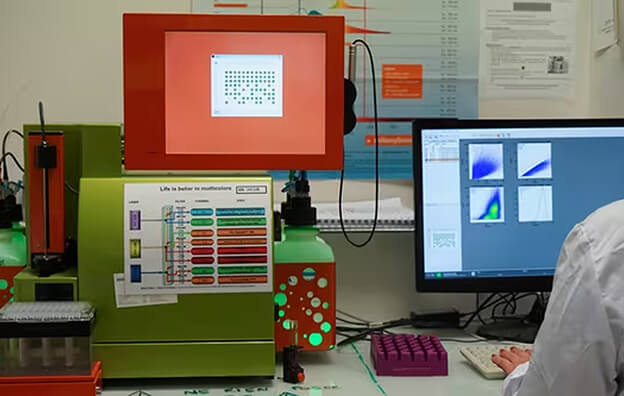
Flow cytometry guide
Flow cytometry is a versatile technique that uses light to characterize and measure heterogenous suspensions of particles.

Immunoprecipitation guide
Immunoprecipitation (IP) is a technique for enriching or purifying a target protein from a complex mixture using specific antibodies.
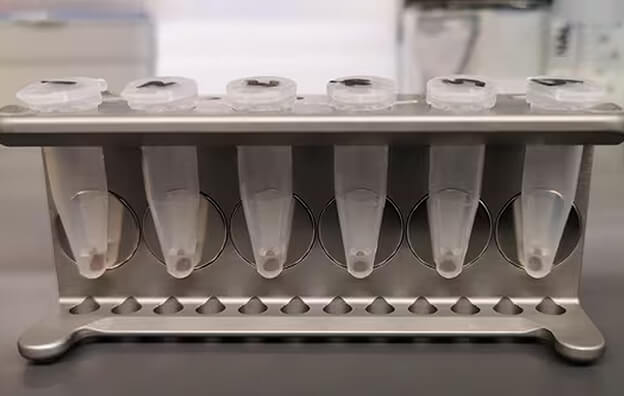
Co-immunoprecipitation guide
Co-immunoprecipitation (co-IP) is a powerful technique for the study of protein-protein interactions, based on the principle of immunoprecipitation (IP).
Chromatin immunoprecipitation guide
Chromatin immunoprecipitation (ChIP) is a technique for isolating chromatin that is bound to a protein of interest for subsequent identification.

Immunohistochemistry troubleshooting
Immunohistochemistry (IHC) involves using antibodies to selectively label proteins of interest in tissue samples.